More about Salt and Hypertension
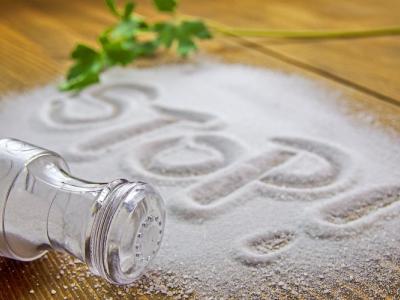
The discussion about hypertension or high blood pressure cannot be separated from salt (sodium). In a broader context, it does not mean that salt is not useful. However, when the intake exceeds what the body tolerates, excess salt intake will have counterproductive effects, such as high blood pressure, the heart is working too hard, the blood vessels become inelastic, even stiffer, stroke, chronic kidney failure and many others. In short, salt is a double-edged sword. On the one hand it is beneficial, on the other hand it is harmful.
Studies reported that there is a close relationship between hypertension and dietary salt intake. A meta-analysis showed that a continuous modest reduction in salt intake induces a relevant reduction in blood pressure in hypertensive individuals as well as in those who are normotensive (having normal blood pressure 120/80 mmHg). This means that if salt intake increases above normal tolerance, over time, those who are accustomed to high salt consumption will easily fall into high blood pressure and other comorbidities. Therefore, doctors always give advice to their patients to reduce salty foods. At the end of the consultation, the doctor usually reminds once again to keep reducing the consumption of salt or salty foods such as fried foods, instant noodles, and salty soup. Doctors often ask patients to come with their wives or family members who prepare meals to ask them to reduce salt use in daily food processing. Actually, the substance in salt that people with hypertension should avoid is sodium chloride. This substance, which is often abbreviated as NaCl, is what gives salt its salty taste. This seems trivial, but in reality it is not easy to obey. This can be seen from the number of people worldwide who are affected by hypertension, which is more than 1.5 billion. Nearly two thirds live in developing and underdeveloped countries.
In the body, sodium ions are the most abundant ones found in the bloodstream and interstitial fluids. Sodium is most commonly found in compounds in the form of sodium chloride or sodium bicarbonate. Behind it all, sodium plays an important role in several biological functions of the body such as fluid balance, nerve conduction, and muscle contraction. If due to an illness or very low consumption, the body lacks sodium, the effects of hyponatremia will arise, such as nausea, vomiting, weakness, seizures, and even death.
Sodium is needed by the body in optimal amounts, ie. 1.5 to 2.3 grams per day. This amount is equivalent to a maximum of one teaspoon per day. Uniquely, the average amount of sodium consumption of adults in America is 3.4 grams per day, and this clearly exceeds the normal dose of consumption per day. If the amount is excessive, sodium will be bad for health. Sodium very easily binds water and causes the volume in our blood vessels tend to be excessive. This condition will eventually lead to hypertension, blood vessel disorders, and other comorbidities. Considering that salt is like a double-edged sword, many efforts have been made by the food industry to reduce the risk of hypertension, one of which is modifying the raw material for its products, the salt.
The common table salt we consume
The process of salt production is in several ways. The two main ways of making salt are by evaporating brine or extracting solid salt from underground salt mines. However, before it can reach the form that can be consumed, table salt goes through a refining process to remove impurities and other minerals besides sodium chloride. After that, other substances are sometimes added to help absorb moisture. Components, such as iodine are also often included to help meet the daily needs of iodine.
In general, salt mostly contains sodium chloride about 98% of its weight. That's why most people use the words "salt" and "sodium" for the same thing. Salt has many uses in everyday life, to flavor and preserve food. This has been done for thousands of years.
In Indonesia, almost all main foods use salt as a flavor.This is because Indonesian foods are famous for their spice components that are varied and rich in flavor.
Pink salt
Because of the potential dangers of consuming too much regular table salt, many people have switched to using the alternative pink salt. The pink salt, in addition to its attractive color, is also considered to have other advantages, so that the salt is thought to provide healthier solution. Such belief is partly true because research shows that the pink salt contains 84 minerals which is far more than normal table salt. The reason behind the difference in the mineral content of the salt is due to the natural harvesting process of the salt by hand and minimal processing of additives to produce a pure product that is considered free of additives and the processing method is considered much more natural. Scientists estimate that it is the amount of the pure mineral, especially iron, that gives it its characteristic pink color.
However, in fact, pink salt also still contains more than 97% sodium chloride, which means it is no different from ordinary table salt. The argument that the pink salt is healthier because it is in the form of larger salt crystals with less sodium content. However, if pink salt is finely ground to resemble in texture with table salt, the amount of the sodium will be similar.
Is it true that pink salt is special?
The answer is, it is too much to say that it is special. Why? If you look at the origin, pink salt is indeed obtained from a salt mine in a certain country. The mine is believed to have formed millions of years ago from the evaporation of ancient water components. The salt has a pink color due to the presence of residual elements from iron oxidation, along with potassium, calcium, and magnesium. This mineral also contributes to influencing the taste of this colored salt, thus giving the salt a pinkish appearance that can be more appetizing on the dining table.
But is this salt healthier than other types of salt? Surveys say that is not true. The most appropriate thing is, let's continue to prioritize limiting the amount of salt intake as needed with a balanced amount, not excessive and not lacking. As recommended by WHO, we need to limit sodium intake to around 2.0 g per day (equivalent to about 5.0 g salt per day) in general population, and people with hypertension should make special efforts to reduce salt intake by further combining healthy daily lifestyles with balanced diet (appropriately rich in fiber, low in calories, low in fat), reducing weight for those who are overweight, spending 20-30 minutes of physical activity adjusted to physical capacity, having 6 hours of good sleep, avoiding stress, increasing faith and body immunity, and avoiding counterproductive bad habits. That's what's right and special!
Prof. Djoko Santoso
Professor, Faculty of Medicine, Universitas Airlangga
Chairman of Health Department, Indonesian Council of Ulama, East Java
Translated from Indonesian:
Mengenal secara dekat, Garam dan Hipertensi
by Djoko Santoso
Source of illustration:
https://health.kompas.com/read/2021/03/19/060100068/rekomendasi-garam-untuk-penderita-darah-tinggi?page=all
Source: https://rumahginjal.id/mengenal-secara-dekat-garam-dan-hipertensi
Keywords: